

The I Matchmaking Day by MicronanoSpain, conceived as a meeting point for the national semiconductor ecosystem, allowed them to know the capacities and projects that different companies and technology centres are developing in areas such as microelectronics, sensors, data processing or artificial intelligence.
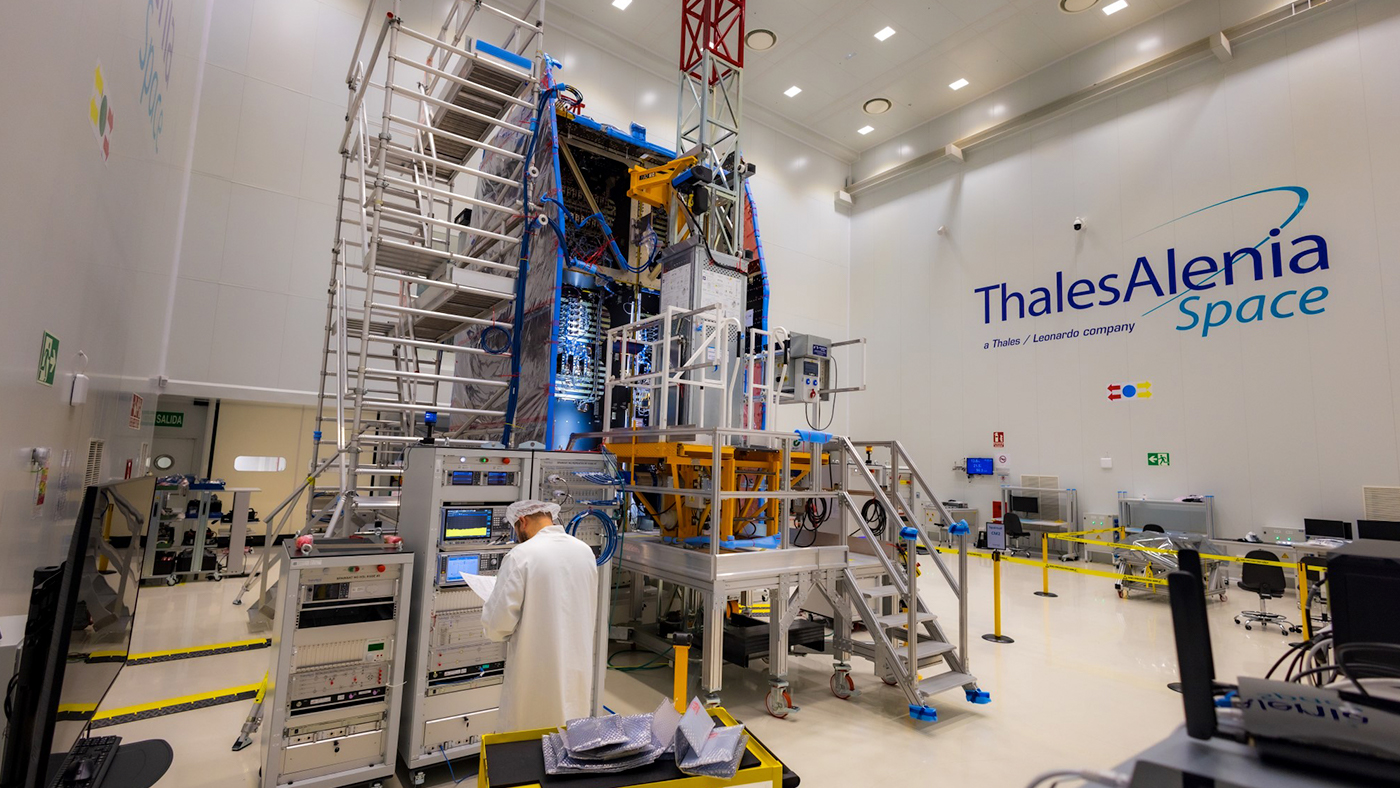
During the day, Thales Alenia Space He presented the role that his team plays in Spain in the design and manufacture of electronic systems prepared to work in space.
A particularly demanding environment, where the components must withstand radiation, extreme temperature changes and years of operation without the possibility of repair.
A company specialized in space systems
Thales Alenia Space is a joint venture that has around 8,000 professionals and develops solutions for telecommunications, navigation, earth observation, defence, scientific exploration and orbital infrastructure.
In 2025 it reached a consolidated income of 2,360 million euros and maintained a presence in seven European countries.
Its systems are present in satellites and missions that allow connecting territories, knowing the exact position of people and vehicles, studying the planet, better managing natural resources and exploring the solar system.
These apps reflect your vision for a space for life, based on using space technology to contribute to a more connected and sustainable life on and off Earth.
In Spain, the company has been operating since 1988 and has approximately 460 employees. Its facilities have 2,500 square meters of clean areas for the manufacture, integration and testing of space equipment and systems.
According to the data presented during the meeting, the Spanish subsidiary invests 27% of its activity in research and development and has participated in about 670 satellites.
Electronics that allow a satellite to work
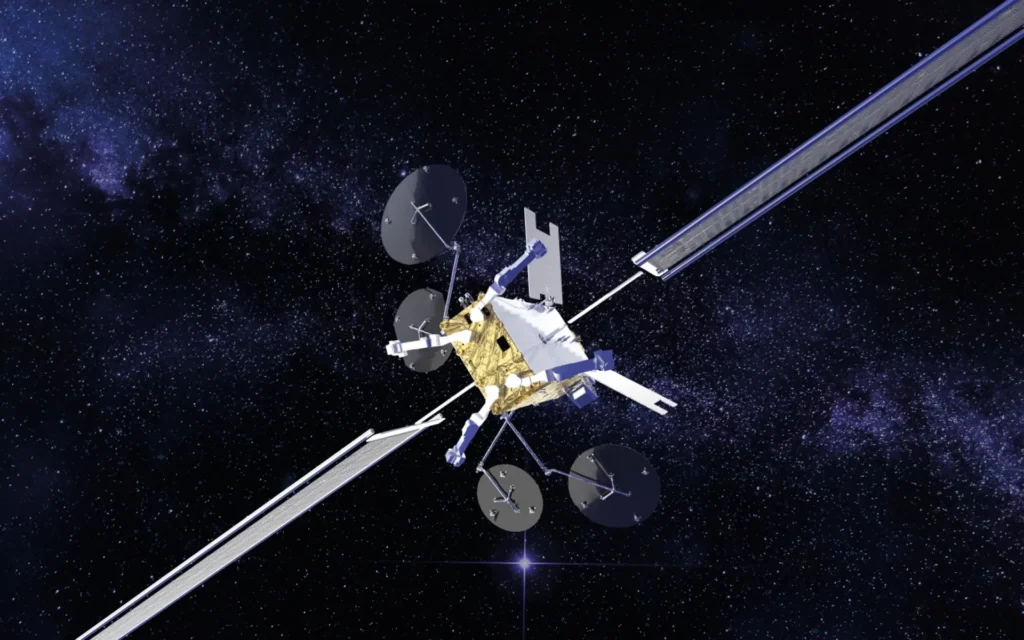
Behind a satellite there are numerous electronic systems in charge of collecting information, processing it, controlling instruments, managing communications and making decisions. These teams must function in a coordinated manner and maintain their reliability throughout the mission.
Thales Alenia Space in Spain works in different parts of this technology chain. Its activity includes the development of radio frequency equipment, digital electronics, data processing, control systems, visible and infrared cameras, observation instruments and embarked software.
It also designs systems intended to manage high-precision clocks, control mechanisms, secure data concentrated, or process images directly on board the satellite. This last capacity is especially relevant, since it allows analyzing part of the information in the space itself before sending it to Earth.
Process the information before sending it to Earth.
Observation satellites can generate enormous amounts of images and data. Sending all that unfiltered information requires time, bandwidth, and power.
The so-called edge computing allows part of the processing to be transferred to the satellite itself. In this way, the system can select the most relevant images, identify certain patterns or discard information that is not useful before starting the transmission.
In practice, this can speed up the response to fires, floods, spills, environmental changes, or other situations that require rapid information obtained from space.
On-board processing can also increase satellite autonomy. Instead of continually relying on instructions sent from ground stations, they can analyze certain data and adapt its operation more quickly.
Thales Alenia Space in Spain incorporates these capabilities within a catalog that includes multifunctional processing, image processing, shipped artificial intelligence and secure data management systems.
Design chips capable of surviving in space.
One of the main challenges of spatial microelectronics is radiation. Outside the protection provided by the Earth’s atmosphere, electronic components are exposed to particles capable of degrading their operation, modifying data or causing permanent failures.
For this reason, the chips destined for space cannot be designed exactly the same as those used in a computer, a vehicle or a mobile phone. It is necessary to study how radiation affects each component and apply measures to avoid errors during the mission.
Thales Alenia Space conducts trials against ions, protons and cumulative doses of radiation. From these analyzes, it develops protection mechanisms such as duplication or triplication of functions, periodic error correction and reconfiguration of devices.
In a simple way, the system incorporates different ways to continue functioning even if a particle temporarily alters part of the circuit.
This resilience is essential in missions that can last for many years and found thousands or millions of kilometers from Earth.
ASIC and FPGA: Circuits adapted to each mission
Within its microelectronic capabilities, the company mainly works with two types of devices: ASICs and FPGAs.
ASIC
An ASIC is an integrated circuit designed to perform a specific function. It can be compared to a tool specifically made for a specific task. This specialization allows you to optimize performance, energy consumption and the space occupied within the satellite.
FPGA
An FPGA, on the other hand, is a device that can be programmed to execute different functions. Its main advantage is flexibility, since it allows the system to be adapted to the needs of each mission and even, under certain conditions, to modify its configuration after launch.
Thales Alenia Space in Spain accumulates experience in the design of more than 21 ASIC and more than a hundred developments based on FPGA from Microchip, with around 500 units already operational in space.
It has also developed dozens of FPGA designs and AMD-Xilinx programmable systems for projects like Galileo and geostationary telecommunications satellites.
Its capabilities include safe reconfiguration on board. This technology allows you to update or rearrange certain electronic functions without the need to physically recover the satellite, something impossible once it is in orbit. The company indicates that it already has more than ten FPGAs from this manufacturer in flight and a proprietary solution to carry out this reconfiguration safely.
A competitive advantage based on the entire value chain
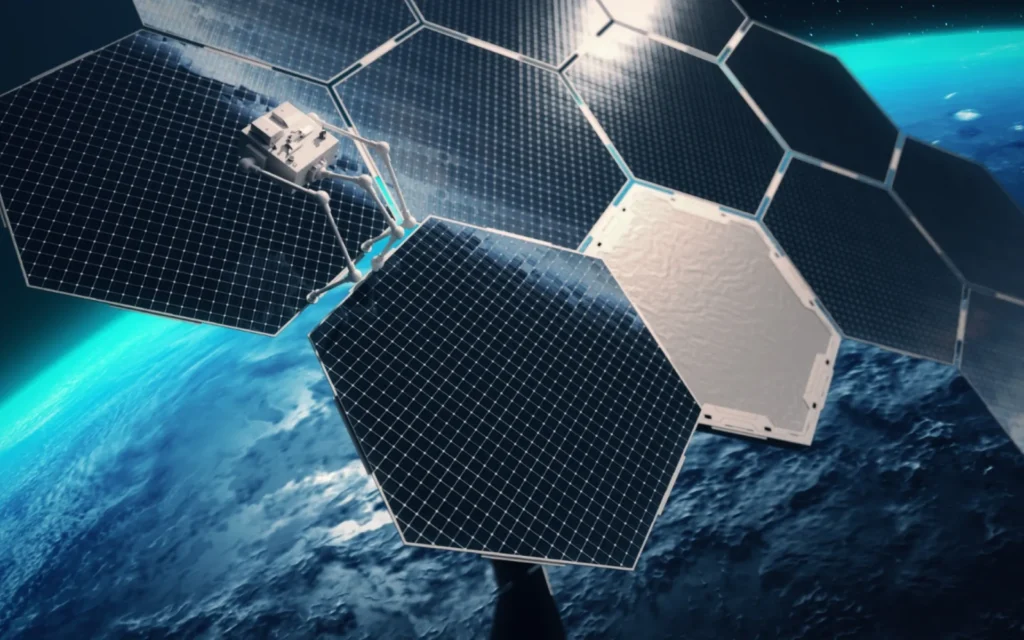
Thales Alenia Space’s proposal is not limited to component design. The company has the capabilities to develop the system architecture, design the electronics, manufacture the equipment, integrate them and subject them to the necessary tests before launch.
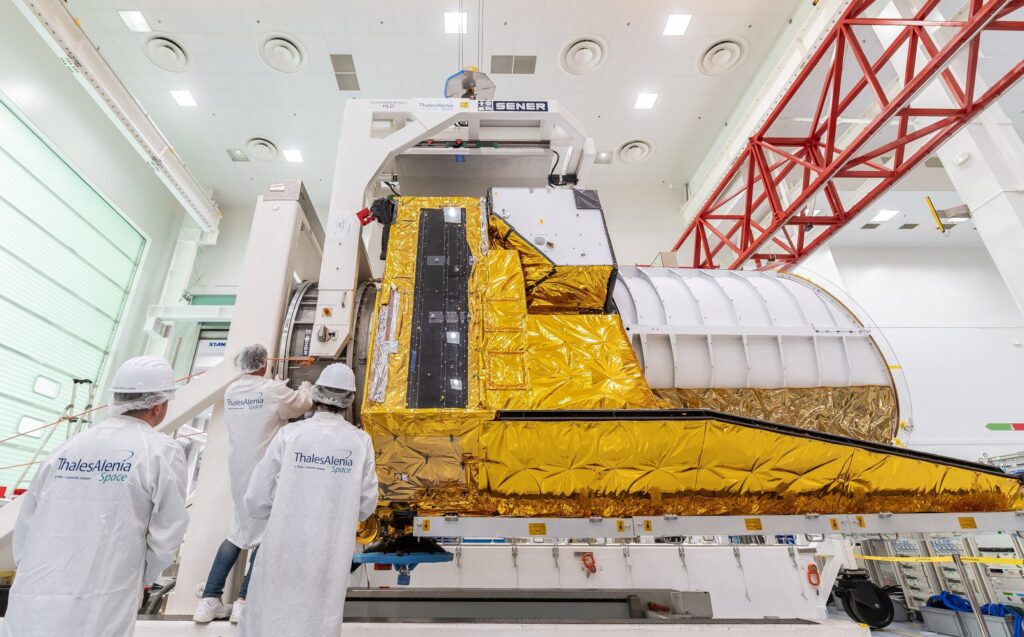
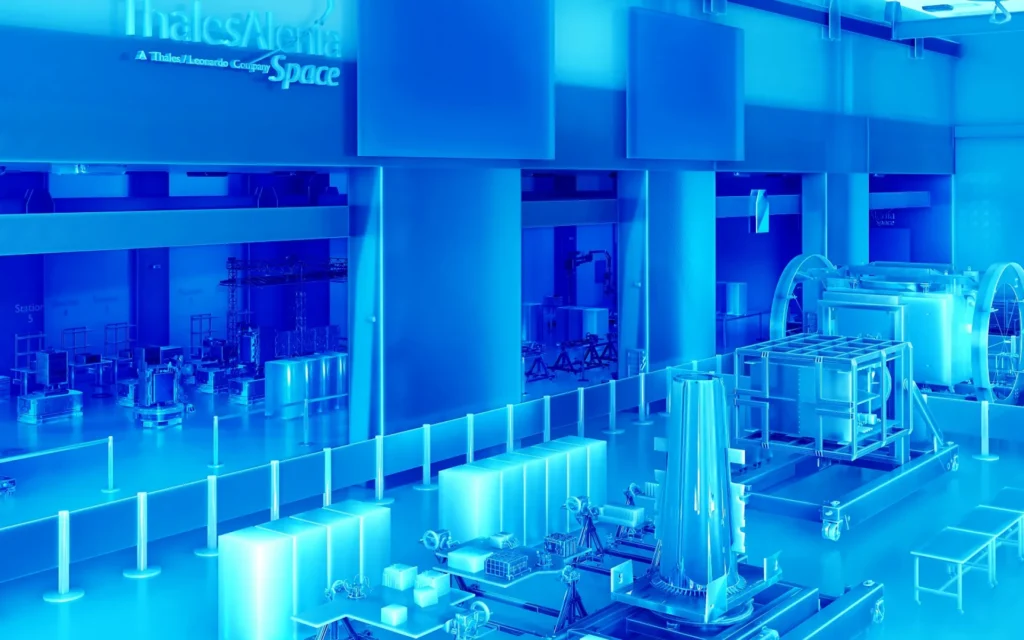
In its Spanish facilities it has clean rooms to manufacture and integrate equipment, optical detection laboratories and means to carry out thermal vacuum tests, electromagnetic compatibility and vibration. It also has a room prepared to integrate satellites, payloads and instruments of observation and science.
This combination of microelectronic design, systems engineering, production and validation represents a major competitive advantage.
It allows to verify from the first phases that each component will function correctly within the set and that it will withstand the real conditions of a space mission.
In addition, the application of space-specific standards makes it easier for designs to meet common requirements for safety, quality, radiation protection, and reliability.
How does this technology translate into everyday life?
Although these developments are used hundreds or thousands of kilometers from the earth’s surface, their results are part of numerous daily activities.
The shipped electronic equipment allows telecommunications satellites to provide connectivity in remote areas, facilitate audiovisual emissions and support communication networks. Navigation systems help determine the position of vehicles, ships, planes and mobile devices.
Electronics for land observation makes it possible to collect and process images to study the climate, control crops, monitor infrastructure, manage emergencies or analyze the evolution of the oceans and ecosystems.
In the scientific field, these systems allow controlling instruments that study other planets, observe the universe and collect data that expands our knowledge about space.
Innovation is not only about manufacturing more powerful components. It consists of making them efficient, reliable, safe and capable of continuing to function for years in extreme conditions.
Spanish microelectronics to face the challenges of space
The presentation of Thales Alenia Space at the I Matchmaking Day showed the weight that the microelectronics developed in Spain has within the European space industry.
Its experience in integrated circuits, programmable devices, data processing, on-board artificial intelligence and radiation protection allows the development of equipment capable of responding to the needs of the new space missions.
Through meetings like the I Matchmaking Day, MicronanoSpain It contributes to connecting these capabilities with companies, technology centers, universities and European initiatives. The objective is to promote new collaborations and strengthen a national value chain capable of designing, manufacturing and validating strategic technologies for sectors such as space, telecommunications, mobility and land observation.
Photographs of: https://www.thalesaleniaspace.com/en